Tag: business

IT Support in 2026: What Modern Businesses Must UnlearnIT Support in 2026: What Modern Businesses Must Unlearn

IT support in 2026 barely resembles the help desks and ticket queues businesses relied on just a few years ago. Technology has evolved rapidly, but the more significant shift is in mindset. Many companies are still clinging to outdated assumptions about control, speed, security, and cost, and those assumptions quietly slow everything down. To keep up, modern businesses don’t just need new tools. They need to unlearn habits that no longer serve them and rethink what IT support is actually supposed to do.

Unlearning the “Fix-It-When-It-Breaks” Mentality

One of the biggest misconceptions still hanging around is that IT support exists mainly to fix problems after they happen. In 2026, that’s already too late. Proactive monitoring, automation, and predictive maintenance are now the baseline. Businesses that thrive treat IT as a continuous health system, not an emergency room. Working with a Responsive IT Support Company that actively watches performance, security, and user behavior helps prevent downtime long before anyone feels it, and that shift alone changes how teams experience technology day to day.

Letting Go of the 9-to-5 Support Window
constant monitoring

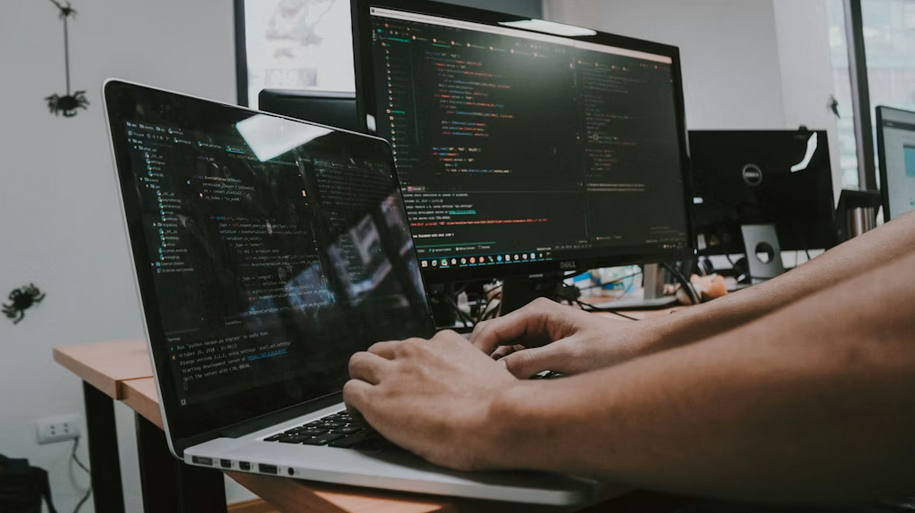
The modern workday doesn’t end at 5 p.m., and IT support can’t either. Hybrid teams, global collaboration, and cloud-based systems mean issues can surface anytime, anywhere. Businesses must unlearn the idea that limited support hours are acceptable. In 2026, delayed responses don’t just frustrate employees; they stall revenue and erode trust. Always-available support is no longer a luxury; it’s a requirement for organizations that want to stay agile and responsive.

Rethinking Security as a Separate Function

For years, security was treated as its own department or an add-on layered onto existing systems. That separation no longer works. Cyber threats are faster, smarter, and deeply integrated into everyday workflows. Modern IT support weaves security into everything, from device management to user access and software updates. Businesses must unlearn the belief that security slows productivity and recognize that smart, embedded protection actually enables teams to move faster with confidence.

Moving Away From Tool Overload
tools

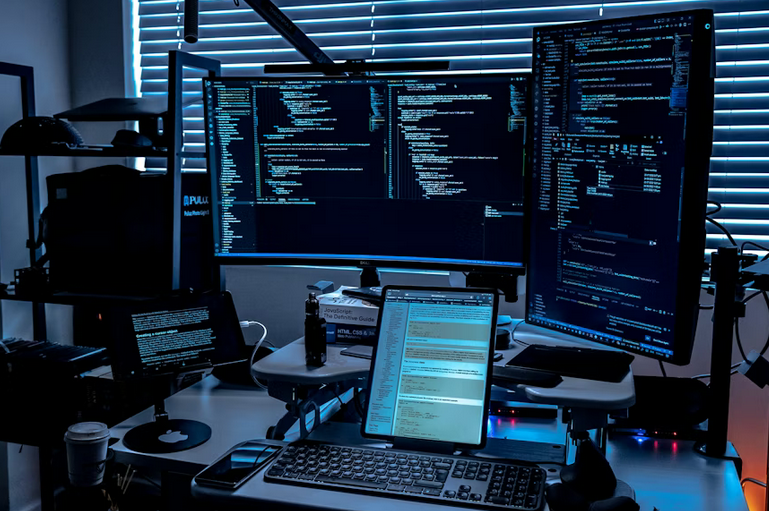
More software doesn’t automatically mean better results. Many businesses have learned this the hard way after stacking tools that overlap, conflict, or go unused. In 2026, effective IT support focuses on simplification. The goal is to streamline systems so employees spend less time switching platforms and more time doing meaningful work. IT teams now act as curators, aligning tools with real business outcomes instead of chasing every new trend.

Abandoning the Cost-Center Mindset

Another outdated belief is that IT support is purely an expense to be minimized. That mindset often leads to short-term savings and long-term pain. Downtime, inefficiency, and security incidents cost far more than strategic investment. Businesses in 2026 understand that IT support directly impacts growth, customer experience, and scalability. When treated as a strategic partner, IT becomes a driver of value rather than a line item to cut.

IT support in 2026 is less about reacting and more about enabling. To move forward, businesses must unlearn habits rooted in scarcity, control, and outdated workflows. The organizations that succeed are the ones willing to rethink how technology supports people, not the other way around. By embracing proactive service, integrated security, and smarter systems, modern businesses position themselves to adapt faster, work smarter, and stay resilient in a constantly changing digital world.…

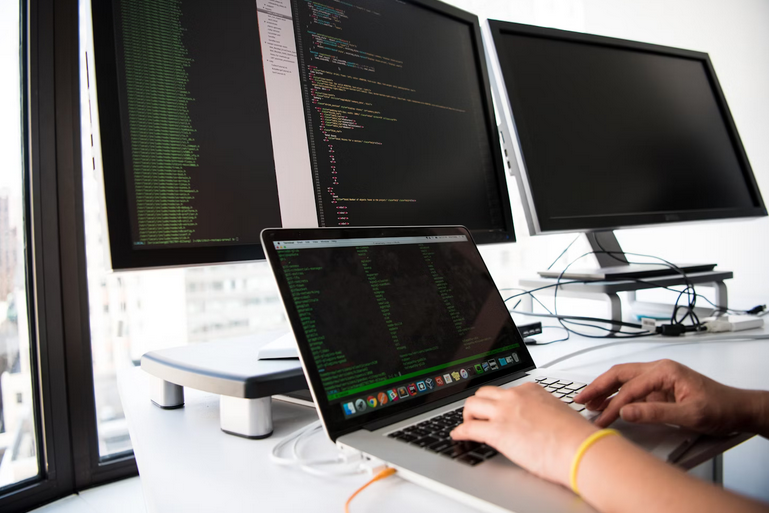
Essential Tech Tips for Managed IT ServicesEssential Tech Tips for Managed IT Services

Managed IT services play an important role in supporting businesses by providing proactive monitoring, maintenance, and management of IT infrastructure and systems. To ensure the success and efficiency of managed IT services, such as those offered by NeoTech Networks LLC, it’s essential to implement best practices and leverage technology effectively. In this article, we’ll explore some essential tech tips for maximizing the effectiveness of managed IT services and delivering value to clients.

Implement Remote Monitoring and Management (RMM) Tools

remote monitoring

Utilize remote monitoring and management (RMM) tools to proactively monitor IT systems, detect issues in real time, and perform automated remediation tasks remotely. RMM solutions enable managed service providers (MSPs) to monitor network performance, security vulnerabilities, and system health across multiple devices and locations from a centralized dashboard, reducing downtime and improving response times.

Embrace Cloud-Based Solutions

Leverage cloud-based solutions and services to streamline IT management, enhance scalability, and improve agility. Cloud computing enables MSPs to deliver scalable infrastructure, backup and disaster recovery solutions, software-as-a-service (SaaS) applications, and collaboration tools to clients, reducing hardware costs, increasing flexibility, and simplifying IT management.

Prioritize Cybersecurity Measures

Place a strong emphasis on cybersecurity measures to protect clients’ data, networks, and systems from evolving cyber threats and attacks. Implement multi-layered security solutions, including firewalls, antivirus software, intrusion detection systems, and security patch management, to safeguard against malware, ransomware, phishing, and other cyber threats. Conduct regular security assessments and audits to identify vulnerabilities and ensure compliance with industry regulations.

Offer Proactive Maintenance and Patch Management

Provide proactive maintenance and patch management services to keep clients’ IT systems up-to-date, secure, and optimized for performance. Schedule frequent maintenance tasks, such as software updates, security patches, system optimizations, and hardware inspections, to prevent potential issues, improve reliability, and prolong the lifespan of IT infrastructure.

Implement Remote Support and Help Desk Services

help desk

Deploy remote support and help desk services to deliver timely assistance and technical support to clients, regardless of their location or time zone. Utilize remote access tools, ticketing systems, and knowledge bases to resolve IT issues remotely, troubleshoot problems efficiently, and provide responsive customer support to end-users.

Utilize Automation and Scripting

Harness the power of automation and scripting to streamline repetitive tasks, automate routine workflows, and increase operational efficiency. Develop scripts, workflows, and automation routines to automate software deployments, configuration changes, system updates, and routine maintenance tasks, reducing manual effort and minimizing human error.

Emphasize Client Communication and Collaboration

Maintain open lines of communication and encourage cooperation with customers to ensure IT services are aligned with their business objectives and priorities. Maintain regular communication with clients to give service updates, request feedback, and swiftly handle any complaints or difficulties. Create a collaborative connection based on trust, openness, and responsibility to promote long-term relationships and customer pleasure.

By implementing these essential tech tips, managed IT service providers can enhance the efficiency, reliability, and value of their services while delivering superior support and solutions to clients. Embracing remote monitoring and management tools, leveraging cloud-based solutions, prioritizing cybersecurity measures, offering proactive maintenance and patch management, providing remote support and help desk services, utilizing automation and scripting, and emphasizing client communication and collaboration are key strategies for success in managed IT services.…